
If anything here feels confusing or doesn’t quite make sense, have a look at my FAQs. Or if you’d rather ask something specific, drop me an email at simeon@agilesecondopinion.com — or just leave a comment on the post.

“The Day-to-Day Changes You Don’t See (Until You Look Back)”
“Teams rarely change because of a new framework. They change when the way they carry work shifts — one conversation, one interaction, one small step at a time.”

The Cost of Feedback: When Listening Too Much Slows You Down
Everyone says they want feedback — until they get it.
There’s a famous story about Sony’s yellow Walkman: everyone in the focus group said they loved it. Then, when offered one to take home, every single person chose the black version.
That’s the trouble with feedback. It sounds useful, feels helpful, but it isn’t always true.
In delivery, chasing every opinion can drain momentum faster than any blocker. Real agility isn’t about reacting to everything — it’s about knowing which feedback feeds flow, and which just adds noise.
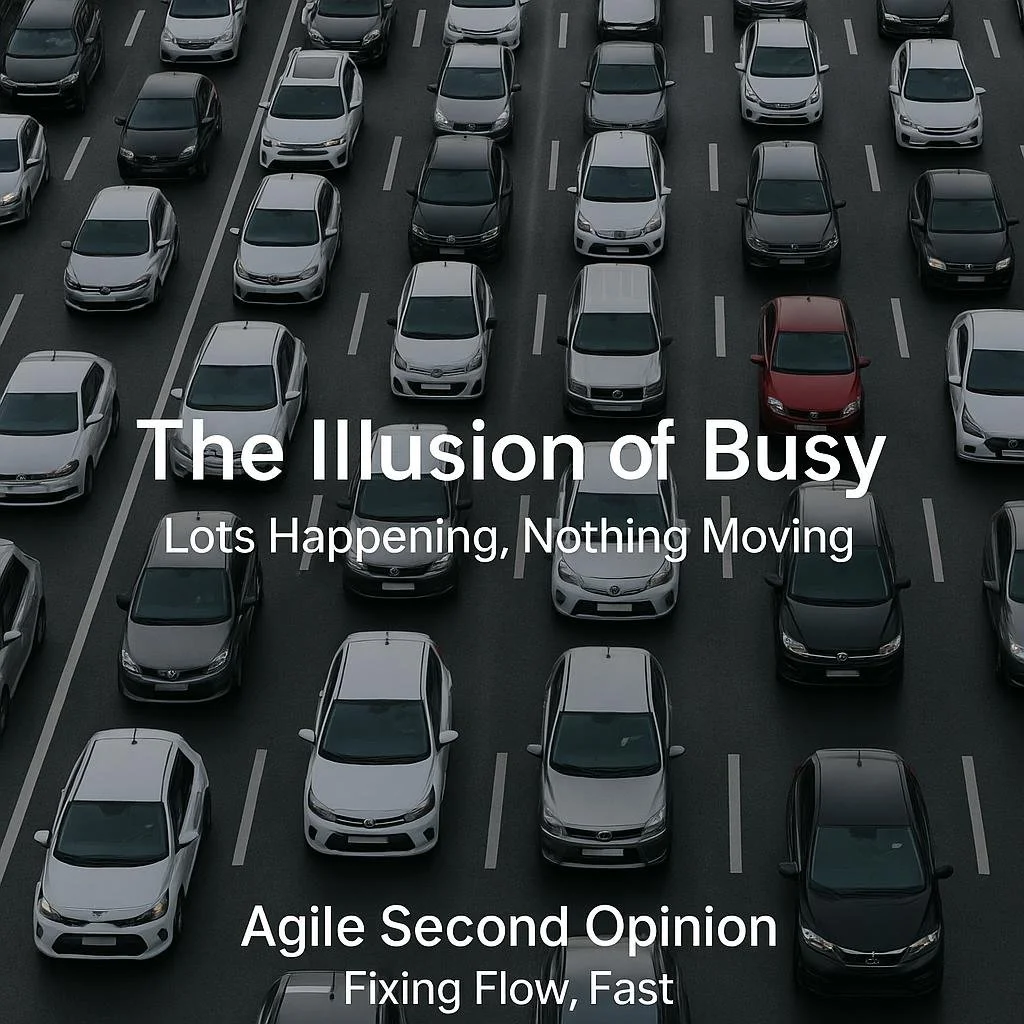
The Illusion of Busy: Why Busyness Feels Productive but Kills Flow
We froze all new work and focused entirely on what would get value moving again. Two weeks later, we had a working regression pack. One month later, releases that had been stuck for 18 months started going out the door.
The team didn’t need more motivation. They needed permission to stop.
Because sometimes the bravest thing you can do in delivery isn’t to start something new — it’s to stop pretending you’re busy.

The real cost of rework (and how we cut it)
Rework isn’t just about fixing bugs — it’s the cost of unclear intent. Every time a team builds the wrong thing or has to redo what’s “done,” delivery slows and trust erodes. The fix isn’t speed; it’s clarity. A short, deliberate conversation before work starts can save weeks later. Here’s how one team turned their rework problem into steady, confident delivery.
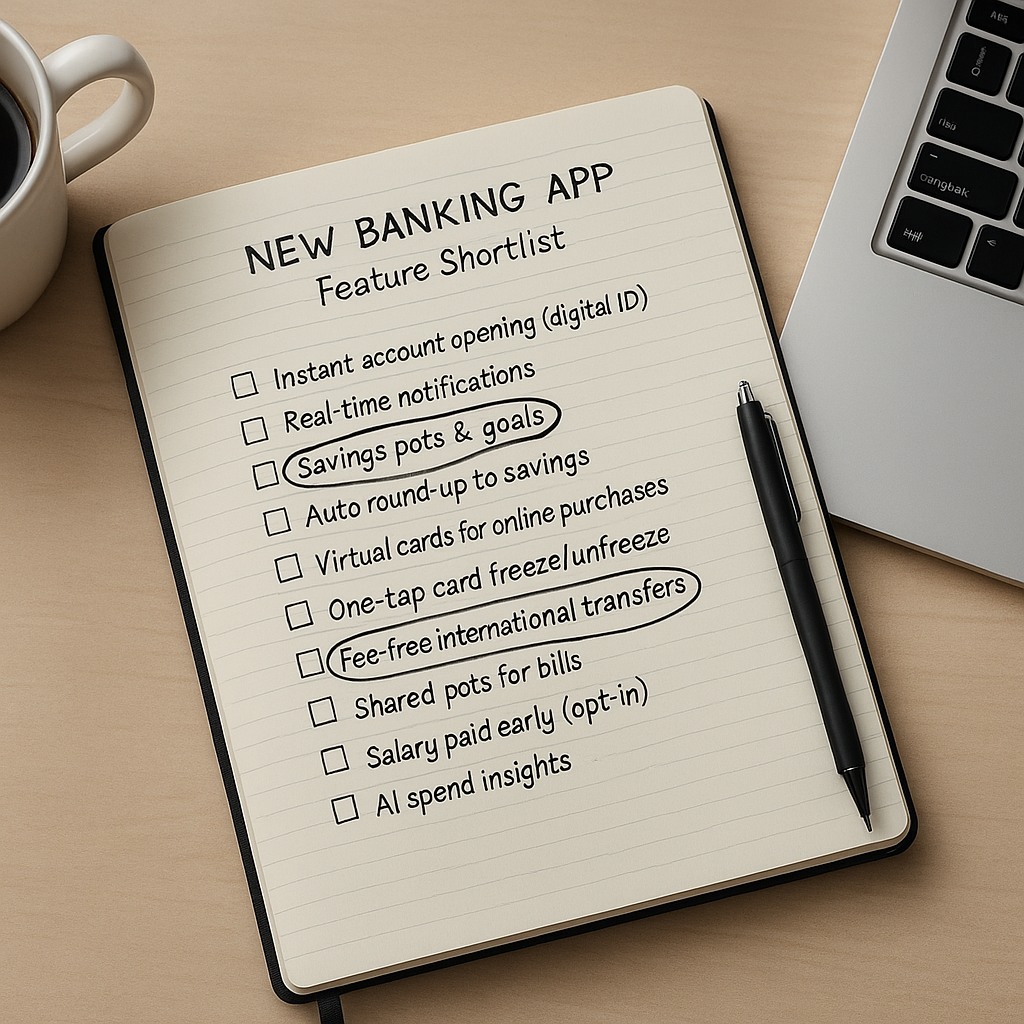
The Power of Two: Why Doing Less Gets More Done
I use a rule I call The Power of Two.
If you’ve got three things to do, pick two.
If you’ve got ten, pick two.
Even if you’ve got a hundred, yes, still pick two.
Too Many Leaders, Not Enough Leadership
The truth is, the team usually does know. They’re the experts. They understand the problems, the blockers, and the opportunities better than anyone. But they’re waiting for permission that never comes.

Decision Fatigue: When Leaders Think,Teams Stop
I’ve seen one clear, confident decision unlock more progress than six months of discussion. It doesn’t even have to be the perfect decision. It just has to move the team forward. Once you’re in motion, you can adapt, adjust, and refine. But you can’t steer a ship that’s standing still.

Culture isn’t what you say. It’s what people learn from you.
So what shapes culture?
It’s learned behaviour.
We learn it from our parents, our friends, our community — and at work, we learn it from our leaders.

Decision Fatigue – Why Doing Less Helps You Do More
Look at your to-do list and decide which are the two most important.
You might not even consciously know why, but I bet you make a good decision.
Even if it’s not the best one, at least you’re doing — and that’s better than just thinking about doing.
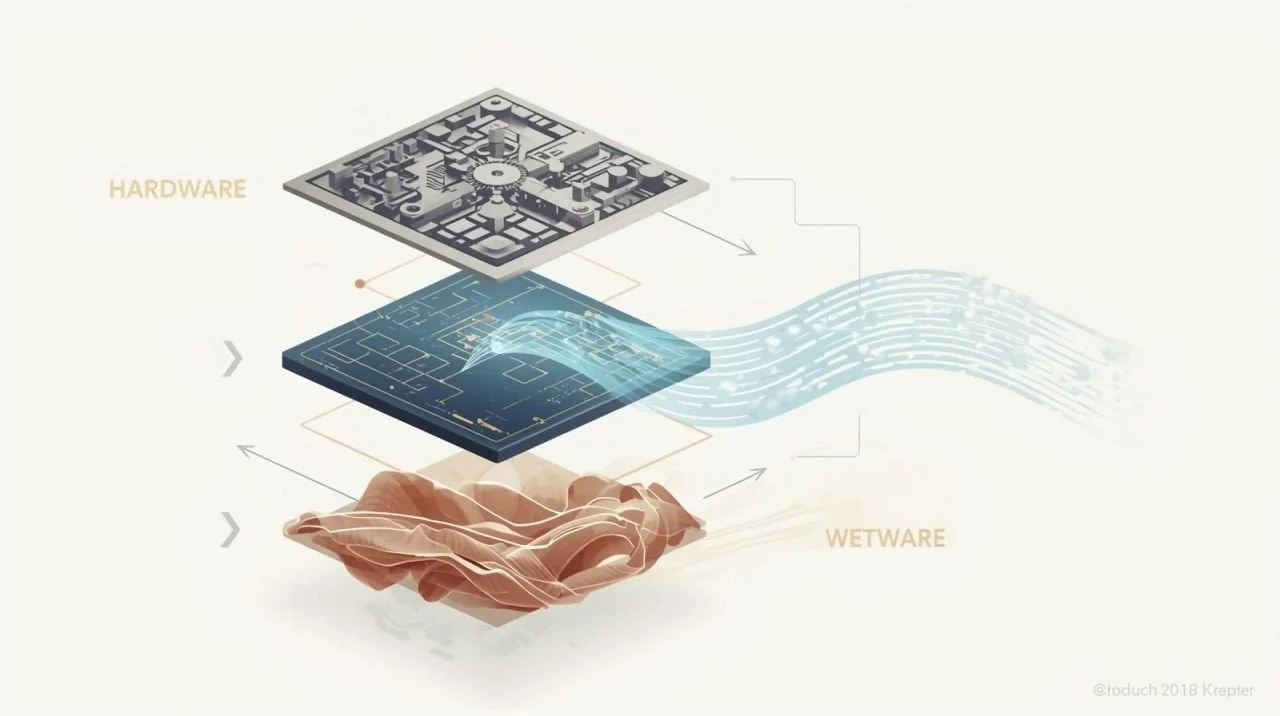
The Myth of Certainty
Most of us work in wetware — the messy, brilliant, human kind of work.
Hardware follows rules.
Software follows logic.
Wetware? It follows mood, energy, distraction, and sometimes bad coffee.
Why your team isn’t performing (and why it’s not their fault)
You’ve built a strong business. You’ve got good people. But lately… things just aren’t moving as fast as they should.
You can feel it — that drag between intention and delivery.

Change doesn’t start with a transformation programme. It starts with your 1%
Real change starts with the few who care enough to make a difference.
Back them. Remove the noise around them. Give them the confidence and skills to deliver.
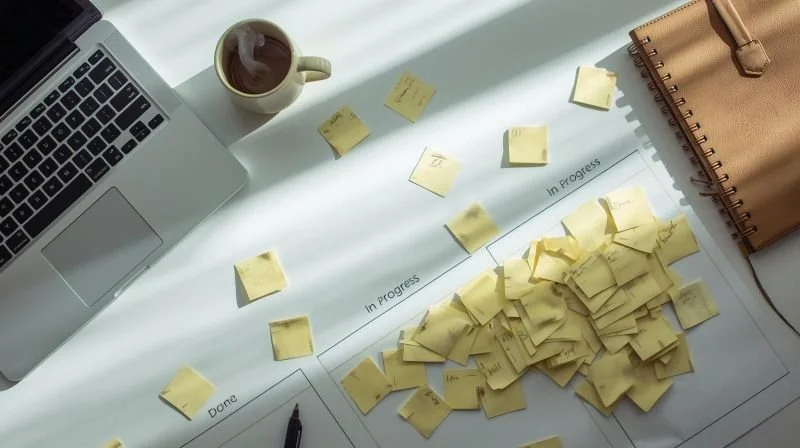
Why work keeps getting stuck in the middle
Most teams don’t struggle to start work — they struggle to finish it.
You can see it on every board: work in progress everywhere, but not much moving to done.
The middle is where work goes to die. It’s where effort builds up, visibility fades, and nobody’s quite sure what’s next.
You don’t need transformation. You need traction.
Start small.
Make work visible.
Limit what’s in flight.
Agree what “done” means.
Then keep improving from there.

You don’t have to “go Agile” to fix delivery
Agile isn’t a badge. It’s just a set of habits that help work flow better (what some might call Kanban thinking):
• Make the work visible.
• Talk to each other regularly.
• Stop starting everything at once.
• Finish what’s started.
The difference between transformation and traction
Remove a few bad habits and things start to move. It’s not a full-blown culture change, but it’s a start: a nudge in the right direction that gives teams momentum again.

I often get asked — “what does good look like?”
When I’m brought in through Agile Second Opinion, I’m not there to audit or judge — I’m there to spot the patterns that hold delivery back. Sometimes it’s obvious, sometimes it just feels off until I spend more time with the team. Once you see it, you can start to fix it. I call it positive negativity — finding what’s not working, so you can focus on what will.

Working with AI doesn’t make you fake. It makes you focused.
I’m dyslexic, which means I think fast and talk even faster. When I’m speaking, that’s a strength. I can go off script, make it relevant, sense the room and adapt. But when I write, those same tangents make things messy. What sounds natural when I say it can look chaotic when I read it back.

Culture shapes how far your transformation will go.
After 36 years in delivery, working with over 70 teams across countless organisations, I’ve come to a simple conclusion: the success of any change or transformation is less about the method and more about the mindset and that mindset is shaped by culture.

The Outcome Is Not Agile
The real outcome? That’s customer impact. Making a tangible difference. Creating something useful
For years I’ve said: “Don’t do Agile, be Agile.” But I think I’ve moved on.
Not because it’s wrong, there’s truth in it, but because it still centres the method, not the mission.
Agile is not the outcome. Agile is a means to an end.